A little lawn can feel like a style catch. You want a restful exterior room, possibly a location to delight, space for children or family pets, and someplace to enjoy plants. Yet a few steps in any type of direction and you hit a border fencing. Many homeowners think the only answer is to keep things basic and sparse so the room does not feel crowded.
In technique, the reverse is frequently true. With portable property landscape design, intentional complexity is what produces depth, passion, which sense of a personal retreat. The technique lies in editing, not in stripping whatever away.
I have serviced properties where the whole backyard was smaller sized than a single patio in a commercial landscaping task. Those limited websites have instructed me much more regarding focusing on feature, scale, and blood circulation than any type of sprawling estate ever before did. With the best landscape design method, a 20 by 30 foot backyard can outshine a much bigger one in both use and atmosphere.
This short article walks through just how to think about small spaces, what to obtain from business and garden landscaping method, and exactly how to transform physical limits into style strengths.
Think in features, not features
The most typical mistake in tiny property landscape design is beginning with a shopping list of attributes: a fire pit, a water function, a yard spot, an elevated vegetable bed, a dining location, a medspa. On a tight lot, this promptly becomes visual mess and unpleasant circulation.
A better starting factor is to define functions. Instead of noting things, determine what you want to do outdoors and just how commonly. For example:
You may want a location to eat with family members twice a week, private seats for morning coffee most days, a course for the dog to move the yard, and room for two easy chair in summer. That is currently plenty for a small yard, and you might still want storage, screening, and seasonal growing interest.
Once you have functions, you can incorporate them into less, a lot more flexible spaces. A bench backed by tall planting can double as quiet reading space and overflow seating throughout celebrations. A well designed deck can integrate storage, planters, and steps that work as seats. Multifunction landscapes really feel generous, since every square foot is functioning hard.
The mental change is easy: assume in verbs initially, after that discover the minimal variety of surfaces and structures required to sustain them.
How specialists read a tiny site
On a huge home you can afford a few mistakes. On a tiny lot, a poor call on quality, drainage, or views can wreck the whole area. This is where habits from commercial landscape design and landscape construction deserve borrowing.
Before mapping out ideas, stroll the website at the very least two times at various times of day. You are attempting to answer a handful of functional questions.
Here is a portable list that mirrors exactly how a landscape service provider or designer evaluate a tiny property yard:
Identify the very best and worst views, both inside the residential or commercial property and beyond its fences. Note sun and color patterns at morning, noontime, and late afternoon. Track water: where it collects, where it runs, where it leaves the property. Map privacy: who can see you from bordering windows, decks, and streets. Assess gain access to factors: doors, gateways, and any kind of constraints for generating materials.On paper this takes 10 to 20 minutes. On website, it offers you the backbone of your layout decisions. As an example, you could uncover that the sunniest edge is likewise where the neighbor's second-story home window looks straight down. That recommends the need for upright screening and perhaps relocating your main seating.
In small lawns, micro-conditions matter. A fencing can cast a chilly darkness that turns a slim bed into a various environment area than the open facility. A downspout can ruin a little patio area if you do not account for stormwater. Deal with the website like a challenge and you will stay clear of expensive rework later.
The power of sides and boundaries
In a limited area, limits often tend to control. Fencings, garage wall surfaces, bordering structures and property lines develop an aesthetic cage. Lots of house owners repaint the fencing and call it done, after that question why the yard still feels small and exposed.
Professionally, the most rewarding transformation frequently comes from functioning the edges.
First, stop treating every border line as one long, constant side. Break it into Website link segments with different functions. One section might support high evergreen screening, another might be a background for seasonal blooming shrubs, a third could carry a narrow trellis for climbers and wall-mounted planters.
Second, usage deepness at the edges. A planting strip that is 12 inches deep checks out like an eco-friendly stripe. Bump it bent on 24 or 30 inches and layer plants by height, and suddenly you obtain quantity, shadows, and areas for birds and pollinators. You shed a little bit of floor area, but you gain the feeling of a wrapping up garden.
Third, consider differing fence heights if codes enable it. In some property landscape design jobs we have actually tipped fencing panels from 6 to 4 feet as they approach a view corridor, or incorporated a solid lower area with a lighter, slatted top. The outcome is a limit that really feels tailored rather than oppressive.
The directing concept: deal with limits as layout possibilities, not just constraints.
Design up and down when you can not increase horizontally
Height is the key device that divides small but abundant landscapes from level, featureless ones. Vertical layout lets you layer experiences without needing more square footage.
Some of the most effective small yard techniques include:
Climbers and trellises
A small 18 inch deep bed with a 6 foot trellis and a clematis or evergreen vine can produce a lavish wall that conceals an unpleasant fence. When integrated with a bench or narrow dining table, the vertical plant becomes both backdrop and enclosure.Raised planters and built-in seating
Rather than free-standing benches, take into consideration masonry or timber planters topped at seat height. This method comes directly from business landscape design, where integrated seating and planter wall surfaces manage heavy use and decrease mess. In a tiny lawn, a 24 inch wide planter can give soil depth for hedges, a location to rest, and an edge to define space.Overhead structures
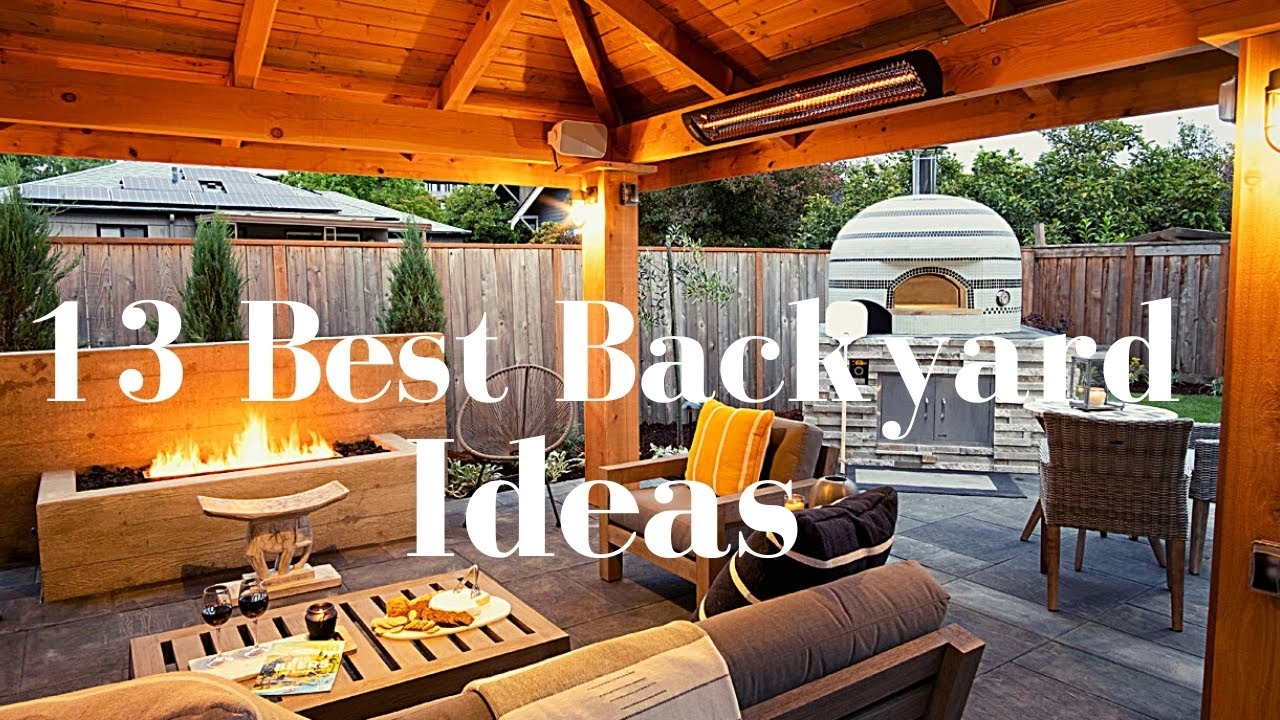
Even a simple pergola or a pair of blog posts with a tensioned cable for lights can psychologically raise the backyard. Overhead lines attract the eye up, make evenings extra welcoming, and develop a sense of room without confining the whole area.The key is to assume in three measurements. Ask yourself, for each zone, what is taking place at ground level, at seating eye degree, and over head height. If all the action gets on the ground, the yard will feel level and smaller than it is.
The ground aircraft: flooring, not just "patio"
In tiny areas, ground products are not nearly toughness. They control exactly how fast the eye steps and exactly how the body uses the space.
Large-format pavers with tight joints produce a calm, almost interior feel. They fit compact dining balconies because furniture rests level, chairs do not wobble, and the field reviews as a solitary surface. As an example, in a 12 by 16 foot area, 24 inch or 30 inch pavers will certainly look much more generous than a mosaic of little bricks.
Conversely, a fine-textured product like broken down granite or compacted crushed rock can aesthetically separate a course or utility edge without building a difficult edge. In one tiny urban garden landscaping task, we utilized concrete pavers at the main seats room and compacted crushed rock for the gain access to path to the bin storage space. The shift in audio and underfoot appearance made the lawn feel larger by adding comparison, despite the fact that the real square video footage was modest.
When creating ground planes for property landscaping, consider:
- Slip resistance and drain, especially near doors. Joint dimension and pattern range relative to the lawn size. How materials age and whether discolorations from gas grill, tree sap, or leaves will certainly bother you. Transitions at limits and between different surface areas, so there are no unpleasant level changes.
A common mistake is making use of a lot of materials. 2 main surfaces plus planting is typically adequate in a compact backyard. If you really feel attracted to add a 3rd or fourth, ask whether you can achieve the very same result via design and growing rather than more variation underfoot.
Circulation that does not "waste" space
Clients frequently worry that courses use up area they can not spare. Actually, flow is what permits a little yard to be checked out as opposed to simply viewed.
The trick is to weave movement right into the functional spaces. Rather than a different course along a fence, take into consideration letting individuals walk across the edge of a deck, between two planters, or through a planting bed via stepping stones. A path only needs to be as wide as its use demands. For relaxed strolling, 36 inches really feels comfortable. In a pinch, 24 inches suffices for occasional accessibility to energies or a side yard.
Curves can aid, yet they require discipline. On a limited site, a curly course that never lands anywhere really feels contrived. Carefully flexing a route to expose a seat or a focal plant around the corner is much more efficient. Borrow from excellent commercial landscape design, where circulation is clear however not always direct. The goal is to provide options without confusion.
If you just bear in mind one policy, it is this: never make individuals squeeze between furnishings and plants just to move through the lawn. That creates a subconscious feeling of crowding that no amount of quite planting can fix.
Planting approaches that add depth
In small garden landscaping, plants should do more than look rather. They are your key tools for shaping perception.
Layering is crucial. A simple three-layer plan of groundcovers, mid-height bushes or perennials, and a couple of taller architectural plants will certainly make a little border feel twice as deep. As opposed to lining the fence with a solitary row of shrubs, vary the depth of the bed and interlock plants of different heights. This breaks up the border line and softens corners.
Repetition issues greater than selection in small rooms. A scheme of 8 to 12 types, repeated in teams, often tends to outperform a collection of 30 various plants spread in ones and 2s. Rep develops rhythm, and rhythm makes the backyard really feel considered rather than cluttered.
Evergreen framework brings winter months. Even in temperate environments, I aim for at least 40 to 60 percent of the planting mass to be evergreen in portable residential backyards. That could be a combination of small conifers, evergreen shrubs, and lawns that hold kind. Seasonal shade then adventures in addition to that structure, via light bulbs, blooming perennials, or deciduous shrubs.
Pay attention to maintenance routines as well. A limited yard loaded with high-maintenance roses or picky clipped boxwood will certainly either consume your weekend breaks or decline rapidly. Choose plants that match your tolerance for trimming, cleanup, and watering. Modern drought-tolerant and low-maintenance palettes can still look lavish if they are integrated thoughtfully.
Borrowing self-control from business landscaping
Commercial landscape design has a tendency to run under tighter restraints than most house owners understand. There are codes for ease of access, clearances for automobiles, strict budgets, and heavy-use patterns. Oddly enough, those limits can be instructive for small yards at home.
Several concepts transfer directly.
First, toughness. In a small area, one failing surface area or framework affects whatever. Usage landscape building and construction information that will certainly last: correctly compressed bases under pavers, properly sized footings for pergolas, rot-resistant materials for elevated beds, and genuine drainage preparation as opposed to wishful thinking. It is far better to develop one high-grade patio area than to spread your budget slim throughout numerous lightweight features.
Second, clarity of design. Good commercial styles are understandable at a glance. You can tell where to walk, where to rest, and how areas connect. Go for the same readability in your yard. Also if you add layers of planting, the bones of the layout need to be simple: a couple of main event areas, clear flow, obvious locations like a bench or focal tree.
Third, service locations. Every property, regardless of exactly how tiny, needs storage, bins, and energy accessibility. Rather than pretending they do not exist, treat them like solution backyards in a commercial project: compact, screened, and easy to reach without crossing the very best parts of the yard. A narrow side lawn is perfect for this, cleared by an easy course and a trellis screen.
The self-control that industrial jobs need, integrated with the affection and growing richness of garden landscaping, generally creates one of the most satisfying little residential landscapes.
Light, noise, and microclimate in limited spaces
Compact lawns magnify sensory experiences. Good or negative, you really feel whatever more intensely.
Lighting in a little lawn ought to be mild and calculated. One or two warm-tone fixtures cleaning a fence, a couple of low path lights (or none, if ambient light is strong), and a refined glow from inside your home can be sufficient. Stay clear of intense limelights that squash every little thing and spill right into neighbors' home windows. Think about light as a way to prolong the feeling of depth you produced throughout the day, not as an arena requirement.
Sound lugs, as well. A small fountain can mask street noise, but on a small patio the incorrect layout can feel intrusive. Look for water functions scaled appropriately to the area, with flexible flow and simple accessibility for upkeep. In other cases, rustling turfs, thick evergreen hedging, or simply a quiet yard may be extra comfortable.
Microclimate improvements likewise pay off much more in small rooms. A solitary shade sail, a few well positioned deciduous trees in containers, or a reflective surface area switched for an absorptive one can transform the convenience degree drastically. For example, one condominium lawn I dealt with had a block wall that emitted warmth into the outdoor patio each mid-day. We fixed it with a slim planter and a fast-growing creeping plant, which shaded and cooled the brick, and unexpectedly the space was usable in summertime evenings.
Common blunders that diminish a small yard
After years of fixing compact yard designs, specific patterns appear repeatedly.
Too much lawn
A small square of turf frequently resembles a leftover patch instead of a purposeful attribute. Unless you genuinely need active play surface area or an animal run, that room may be better served as a planted bed, a deck, or a permeable crushed rock balcony. When customers insist on some environment-friendly underfoot, I occasionally suggest a high-grade synthetic grass in a specified, geometric shape, framed by planting, instead of a battling actual lawn.Furniture out of scale
Exterior furniture developed for huge suv outdoor patios will certainly overwhelm small areas. Search for portable eating sets, benches without arms, or integrated seats that tucks against edges. Prior to investing in, tape out furnishings impacts on the ground to see exactly how circulation suffers or improves.Too several focal points
A fire pit, a sculpture, a fountain, a specimen tree, dramatic lighting, vibrant containers: any kind of among these can secure a tiny yard. Include every one of them and the room will certainly really feel chaotic. Pick one or two main focal elements and allow every little thing else assistance them.Ignoring upright clutter
Downspouts, energy meters, a/c devices, and cord boxes attract attention far more in a small lawn. Route, paint, or screen them as part of your design, not as an afterthought.Underestimating maintenance
A densely planted jewel landscaping pasadena box of a yard can be terrific, but it requires time. If your timetable or rate of interest level is low, scale back intricacy. Use less varieties in larger groups, pick slower-growing plants, and design beds with sufficient room for developing plants to fill in rather than consistent pruning.A sensible roadmap for upgrading a compact yard
To bring these ideas together, right here is a straightforward detailed sequence that mirrors how many specialists approach a small household landscape design project:
Clarify your top priorities in regards to features: eating, relaxing, play, gardening, family pets, storage. Assess the website with a fundamental study: action, photograph, and note sunlight, shade, views, and drainage. Rough out a layout with one or two major spaces, circulation routes, and locations for storage space and utilities. Decide on ground products, essential vertical aspects (fencings, trellises, pergolas), and major planting zones. Refine plant choices, furniture, and lighting to fit the range of the lawn and your upkeep capacity.You do not require advanced layout software to do this. A measuring tape, graph paper, and a few published photos marked up with pens can achieve a good deal of clearness. By the time you chat with a developer, professional, or nursery specialist, you will certainly be making educated selections instead of beginning with confusion.
When to bring in professional help
On tiny tasks, house owners commonly wait to employ landscape style or construction professionals, thinking the yard is also minor to validate the cost. There are cases where a well researched DIY approach functions penalty: easy planting revitalizes, container gardens, or a simple crushed rock sitting area.
However, professional input is valuable when:
- Grades and drain are complicated, especially near a basement or on a slope. You want to develop irreversible frameworks: keeping wall surfaces, decks, pergolas, or outside kitchens. Access for building and construction is limited, implying products require mindful planning. Local codes or house owners' association regulations are rigorous regarding fences, setbacks, or stormwater.
An excellent designer or design-build company will certainly help you avoid usual challenges, select appropriate products, and phase the job realistically. In several projects, a modest in advance design investment saves cash during building and construction by lowering modification orders and rework.
If you do chat with professionals, bring your priority listing, a draft of ideas, and photographs of rooms you like. That discussion will certainly be much more efficient than beginning with "We do not understand what we want, but we want something great."
Small lawn, long-lasting value
Well executed compact property landscaping can substantially enhance both your day-to-day enjoyment and the viewed worth of your residential property. Realty agents continuously report that functional, welcoming exterior room photos well, shows well, and helps listings stand out.
Beyond resale worth, there is personal roi to think about. A backyard that invites you outside for morning meal, provides youngsters or pet dogs an area to shed power, and supplies a tiny refuge from displays pays rewards every week. The reality that it suits a small impact does not lower its effect. If anything, the closer closeness to indoor rooms frequently makes it more probable to be used.
Think of your small lawn as a studio apartment for nature and exterior living. When every inch issues, objective matters much more. Obtain the self-control of business landscaping, the craft of yard landscaping, and the practical way of thinking of solid landscape construction, and you can produce a room that really feels much bigger than its measurements suggest.